
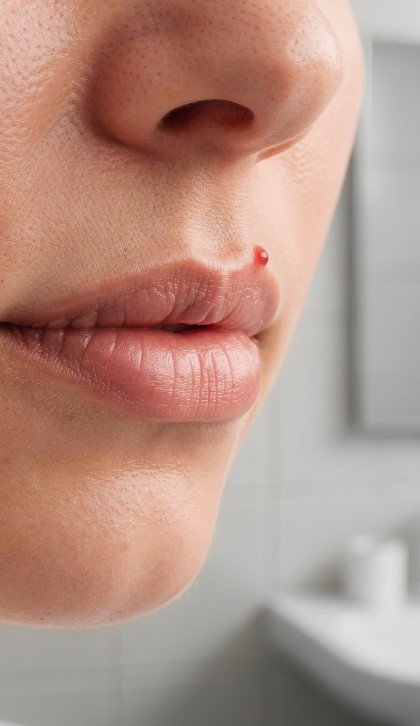
Finding a zit on my lip can be frustrating and uncomfortable. These breakouts differ from regular acne and need specific care. You’ll learn what triggers them and how to get clear skin again.
Key Takeaways
✓ Lip zits often stem from clogged pores, hormonal shifts, or product buildup
✓ Cold sores and lip pimples look similar but need different treatments
✓ Avoid picking or popping to prevent scarring and infection spread
✓ Over-the-counter benzoyl peroxide works for most cases within 3-7 days
✓ See a doctor if the bump persists beyond two weeks or worsens
Understanding What Causes a Zit on My Lip
The skin around your mouth breaks out for several reasons. Oil glands cluster near your lips, making this area prone to clogging. When dead skin cells mix with excess sebum, pores get blocked and inflammation follows.
Hormonal fluctuations play a major role. Women often notice breakouts before their period or during pregnancy. Stress hormones like cortisol trigger oil production too.
Product buildup creates problems. Lip balms, glosses, and toothpaste can clog pores. Ingredients like lanolin, petroleum, and certain fragrances cause issues for sensitive skin.
Bacterial transfer happens constantly. Touching your face, sharing utensils, or using dirty phones introduces bacteria. This explains why zits appear after kissing or eating greasy foods.
Common Triggers and Risk Factors
Several daily habits increase your chances of developing lip acne:
- Using comedogenic (pore-clogging) lip products
- Not removing makeup before bed
- Wearing face masks for extended periods
- Eating high-glycemic foods and dairy
- Touching or picking at the lip area
- Poor oral hygiene or dental issues
The perioral region (area around the mouth) has unique characteristics. It’s thinner than other facial skin and more reactive to irritants. This makes proper care essential.
Treatment Options and What Works
Getting rid of a zit on my lip requires patience and the right approach. Most treatments take 3-10 days to show results.
Topical treatments form your first line of defense. Benzoyl peroxide (2.5-5%) kills bacteria and reduces inflammation. Salicylic acid exfoliates and unclogs pores. Apply these sparingly to avoid drying out surrounding skin.
Warm compresses help bring zits to a head. Use a clean washcloth soaked in warm water for 10-15 minutes, three times daily. This increases blood flow and speeds healing.
Avoid popping at all costs. The lip area has rich blood vessel networks. Squeezing can push bacteria deeper, cause scarring, or spread infection.
Over-the-Counter Solutions
| Treatment Type | Active Ingredient | Time to Work | Best For |
|---|---|---|---|
| Spot treatment | Benzoyl peroxide 2.5% | 3-5 days | Inflamed, red pimples |
| Gel treatment | Salicylic acid 0.5-2% | 5-7 days | Blackheads, whiteheads |
| Hydrocolloid patch | Medical-grade adhesive | 6-8 hours | Overnight healing, protection |
| Sulfur cream | Sulfur 3-10% | 4-6 days | Sensitive skin types |
Hydrocolloid patches work wonders for lip zits. These small stickers absorb fluid and protect from bacteria. Apply overnight for best results.
When to See a Doctor
Some cases need professional care. Schedule an appointment if you experience:
- Pain that worsens after 48 hours
- Swelling that spreads beyond the lip
- Fever or flu-like symptoms
- Recurring breakouts in the same spot
- No improvement after two weeks of treatment
Dermatologists can prescribe stronger medications like topical retinoids or oral antibiotics for stubborn cases.
Prevention Strategies for Clear Skin
Stopping a zit on my lip before it starts beats treating it afterward. Simple habit changes make a huge difference.
Switch your products to non-comedogenic formulas. Look for labels saying “oil-free” or “won’t clog pores.” Mineral-based makeup works better than heavy creams.
Clean your phone daily with alcohol wipes. Your device harbors bacteria that transfers to your face during calls.
Change pillowcases twice weekly. Silk or satin fabrics cause less friction than cotton.
Daily Prevention Routine
Follow these steps to keep breakouts away:
- Wash your face twice daily with gentle cleanser
- Remove all makeup before sleeping
- Apply lightweight, non-comedogenic moisturizer
- Use lip balm with SPF during daytime
- Avoid touching your face with unwashed hands
- Stay hydrated (aim for 8 glasses of water daily)
- Replace toothbrush every 3 months
Diet matters more than you think. Research from 2025 shows that high-glycemic foods spike insulin, triggering oil production. Cut back on sugary snacks, white bread, and processed foods.
Stress management prevents hormonal breakouts. Try meditation, yoga, or deep breathing exercises. Even 10 minutes daily helps regulate cortisol levels.
Distinguishing Lip Zits from Other Conditions
Not every bump is acne. Cold sores (herpes simplex virus) often get confused with pimples. Here’s how to tell them apart:
Cold sores cause tingling before appearing, form fluid-filled blisters in clusters, crust over as they heal, and recur in the same location. They’re contagious and need antiviral medication.
Milia are tiny white cysts that don’t hurt or inflame. They need professional extraction.
Fordyce spots are normal oil glands visible as small white or yellow bumps. They’re harmless and need no treatment.
Angular cheilitis causes cracking at mouth corners, often from fungal infection or nutritional deficiency.
Comparison Guide
| Condition | Appearance | Pain Level | Contagious | Treatment |
|---|---|---|---|---|
| Lip pimple | Red bump, possible whitehead | Mild to moderate | No | Topical acne medication |
| Cold sore | Cluster of blisters, crusts | Moderate to severe | Yes | Antiviral cream |
| Milia | Small white dome-shaped cyst | None | No | Professional extraction |
| Allergic reaction | Red, itchy rash or swelling | Mild itching | No | Antihistamines |
“Many patients mistake cold sores for acne and use wrong treatments, which delays healing. If you get recurring bumps near your lips, get proper diagnosis before self-treating.” – Dr. Sarah Mitchell, Board-Certified Dermatologist, American Academy of Dermatology, 2025
Frequently Asked Questions
How long does a zit on my lip typically last?
Most lip pimples heal within 5-10 days with proper care. Using benzoyl peroxide or salicylic acid can shorten this to 3-7 days. Avoid picking to prevent prolonged healing time and scarring.
Can I pop a zit on my lip safely?
Dermatologists strongly advise against popping lip zits. The area has dense blood vessels and nerves. Popping can cause infection, scarring, or spread bacteria. Let it heal naturally or see a professional for extraction.
What causes a zit on my lip overnight?
Sudden breakouts often result from hormonal shifts, stress, or bacterial transfer. Eating greasy foods, using new lip products, or touching your face introduces bacteria. Poor sleep also raises cortisol levels, triggering oil production.
Why do I keep getting zits on the same spot on my lip?
Recurring breakouts in one location suggest chronic pore clogging, hormonal patterns, or habitual touching. The same oil gland may be prone to blockage. Consider seeing a dermatologist for prescription retinoids or professional extractions.
Are lip zits different from regular acne?
Yes. The skin around your mouth is thinner and more sensitive. Lip zits often stem from product buildup, oral bacteria, or friction rather than typical facial acne causes. They need gentler treatment approaches.
What home remedies actually work for lip pimples?
Warm compresses, tea tree oil (diluted), and honey have antibacterial properties. Ice reduces swelling and redness. However, over-the-counter benzoyl peroxide remains the most effective treatment according to 2026 clinical studies.
Moving Forward with Healthy Skin
Dealing with a zit on my lip doesn’t have to derail your confidence. You now know the causes, treatments, and prevention methods that work. Start with gentle topical treatments and give them time. If breakouts persist or you’re unsure about the diagnosis, consult a dermatologist for personalized care.
Remember that clear skin is a journey, not an overnight fix. Stick with your prevention routine, watch what touches your face, and be patient with your skin’s healing process.