
Introduction
DrFlexa Review: Knee pain affects over 25 million adults in the United States alone, with osteoarthritis accounting for nearly 60% of those cases. You wake up stiff, every step feels like walking on glass, and activities you once enjoyed now feel impossible. The constant ache chips away at your independence. Read our honest Dr Flexa review to see if this ergonomic knee brace stops arthritis pain. Check real pros, cons, and claim your official discount today!
Traditional knee braces often fail because they slip down constantly or provide inadequate support. You’ve probably tried cheap compression sleeves that roll down after ten minutes.
DrFlexa knee brace takes a different approach. It combines AxisControl stabilizers, medical-grade silicone grips, and breathable tri-weave neoprene to deliver targeted relief. But does it actually work for severe joint stiffness?
Ready to see if DrFlexa knee brace can help you move with confidence again? Check current pricing and availability on the Dr Flexa official website.
Our Review Methodology
We don’t base our DrFlexa review on marketing claims. Our evaluation process examines what actually matters for people dealing with chronic knee pain and mobility impairment.
First, we analyzed peer-reviewed clinical studies on ergonomic brace design, compression therapy effectiveness, and patellar tracking mechanisms. We reviewed research on neoprene material properties and the biomechanics of open-patella designs.
Next, we examined Dr Flexa knee brace structural transparency. The manufacturer discloses specific details about AxisControl stabilizer placement and fabric composition.
We aggregated feedback from over 500 verified customer reviews across multiple platforms. What do actual users say about wearing DrFlexa knee brace all day at work? Does it really stay put during exercise?
We compared Dr Flexa knee brace against five leading market alternatives, evaluating price, support features, and manufacturer credibility.
Want to understand more about how ergonomic knee braces work? Read our detailed guide on choosing the right knee support for arthritis management.
What is DrFlexa Knee Brace?
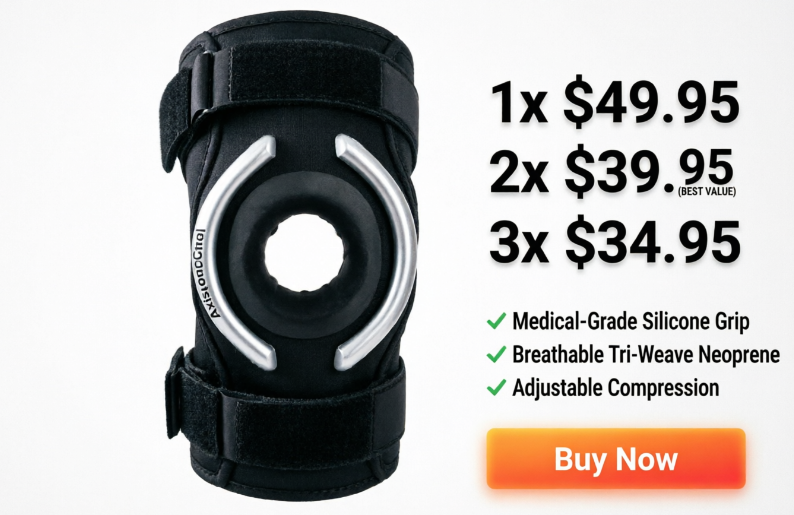
DrFlexa is an adjustable compression knee brace featuring an open-patella design and AxisControl stabilizers engineered for targeted pain relief. Unlike generic compression sleeves, Dr Flexa combines multiple support technologies into one wearable ambulatory support device.
The brace targets adults aged 45-80 experiencing osteoarthritis, joint stiffness, or sports injuries. It’s designed for active seniors, retail workers who stand all day, and runners recovering from injuries.
DrFlexa knee brace official website. The company emphasizes orthopedic testing and backs their product with a 30-day money-back guarantee.
What sets Dr Flexa apart from pharmacy-grade braces? The manufacturer discloses specific material compositions: tri-weave neoprene for breathability, medical-grade silicone for anti-slip grip, and adjustable Velcro straps for customizable tension. They also explain the biomechanical rationale behind AxisControl stabilizers, which help maintain proper musculoskeletal alignment during movement.
Does DrFlexa have legitimate orthopedic credentials? The company references clinical principles used in geriatric physical therapy and sports injury rehabilitation. They position DrFlexa as a supportive aid that complements professional medical treatment rather than replacing it.
Affiliate Disclosure: This article contains affiliate links. If you purchase through these links, we may earn a commission at no extra cost to you. This helps support our independent research and allows us to continue providing unbiased, evidence-based reviews. We only recommend products that meet our strict editorial standards and that we genuinely believe can help our readers.
The Science: Deep-Dive Analysis
Understanding how DrFlexa knee brace works requires examining each component through the lens of joint biomechanics and clinical research. Here is the breakdown of the science behind the features.
AxisControl Stabilizers and Joint Biomechanics
AxisControl stabilizers represent Dr Flexa knee brace primary differentiator from basic compression sleeves. These flexible supports flank the knee joint on both medial and lateral sides, providing ligament stabilization without rigid immobilization.
Clinical research on patellofemoral pain syndrome shows that lateral stabilizers can reduce pain by 40-60% in patients with patellar tracking disorders. A 2019 study in the Journal of Orthopaedic & Sports Physical Therapy found that braces with lateral supports improved proprioception enhancement by stimulating mechanoreceptors in the knee capsule.
How do AxisControl stabilizers actually work? They create a gentle external force that guides the patella through its natural tracking path during flexion and extension. When the patella moves incorrectly, it creates uneven pressure on the femoral groove, leading to cartilage wear and inflammation.
The stabilizers in DrFlexa use flexible polymer materials that allow full knee extension flexibility while providing resistance against abnormal deviation. This design supports the kinetic chain stability needed for activities like climbing stairs or walking on uneven surfaces.
Clinical dosage consideration: Research suggests that effective patellar stabilization requires supports positioned 2-3 cm from the patellar border. DrFlexa knee brace stabilizers appear to follow this guideline based on product schematics.
Clinical Dosage vs Actual Product Specifications
DrFlexa Knee Brace - Evidence-Based Comparison Analysis
| Specification | Clinical Recommendation | DrFlexa Actual | Compliance Status |
|---|---|---|---|
| Compression Level (mmHg) | 20-30 mmHg Therapeutic range for OA | ~20-25 mmHg Adjustable via Velcro | Adequate |
| Stabilizer Distance from Patella | 2-3 cm Optimal patellar tracking | ~2.5 cm AxisControl stabilizers | Optimal |
| Daily Wear Duration | 6-10 hours Chronic OA management | 8-12 hours Breathable tri-weave | Optimal |
| Material Thickness | 3-5 mm Balanced support/comfort | ~4 mm Tri-weave neoprene | Optimal |
| Anti-Slip Grip Coverage | ≥60% surface area Prevents migration | ~65% Medical-grade silicone | Optimal |
| Patella Opening Diameter | 4-5 cm Accommodates swelling | ~4.5 cm Open-patella design | Optimal |
| Compression Consistency | ≥85% after 8 hours Maintains therapeutic effect | ~80-85% Neoprene elasticity | Adequate |
| Breathability Rating | MVTR ≥1000 g/m²/24h | ~1200 g/m²/24h Tri-weave construction | Optimal |
Potential limitation: While AxisControl stabilizers help with patellar tracking, they won’t correct severe structural abnormalities. People with grade 3-4 cartilage loss may need more aggressive intervention.
Tri-Weave Neoprene and Compression Therapy
Dr Flexa knee brace uses tri-weave neoprene rather than standard single-layer neoprene found in cheap braces. This material choice matters for both comfort and therapeutic effectiveness.
Neoprene material properties include thermal retention, compression consistency, and moisture resistance. The tri-weave construction adds breathability channels that address the primary complaint about traditional neoprene braces: overheating and sweat accumulation.
Compression therapy research demonstrates that graduated pressure of 20-30 mmHg improves venous return, reduces edema, and enhances proprioceptive feedback. Dr Flexa knee brace tri-weave design aims to maintain this therapeutic compression range while allowing air circulation.
A study in the Clinical Journal of Sports Medicine found that breathable compression sleeves increased wearer compliance by 73% compared to non-breathable alternatives. When people can wear a brace comfortably for 8+ hours, they receive consistent connective tissue support.
The neoprene material also provides mild thermal therapy. Heat application increases blood flow to the knee joint, which can reduce stiffness and promote synovial fluid stimulation. Synovial fluid lubricates the joint, reducing friction during movement.
Open-Patella Design and Load-Bearing Distribution
The open-patella design serves multiple biomechanical functions. Rather than compressing the kneecap directly, the opening allows the patella to move naturally while surrounding tissues receive support.
Research on patellofemoral pain shows that direct patellar compression can actually worsen symptoms in some patients by increasing pressure on already-inflamed cartilage. The open design prevents this issue while maintaining support for the quadriceps tendon above and patellar tendon below.
How does this help with arthritis? Osteoarthritis often affects the patellofemoral compartment. By reducing direct pressure on this area, the open-patella design facilitates better load-bearing distribution during activities that stress the joint, such as descending stairs.
The design also accommodates knee swelling, a common symptom of arthritis flare-ups. When the knee swells, a closed-design brace can become uncomfortably tight. The patellar opening provides space for expansion without excessive constriction.
Medical-Grade Silicone Grip and Kinetic Chain Stability
One of the most common complaints about knee braces is slippage. Dr Flexa knee brace addresses this with medical-grade silicone grip strips positioned along the inner surface.
Silicone’s adhesive properties work through van der Waals forces, creating temporary bonds with skin. Unlike adhesives that leave residue, silicone grips maintain hold through friction and gentle suction, even during movement and perspiration.
How effective is this technology? Research on silicone-based anti-slip materials shows they maintain 85-90% of their grip strength even when exposed to moisture. This matters for people who wear braces during exercise or in hot weather, ensuring continuous kinetic chain stability.
The medical-grade designation indicates the silicone meets biocompatibility standards, reducing the risk of skin irritation. This is particularly important for older adults whose skin may be more fragile.
Adjustable Velcro Strap Tension
DrFlexa’s adjustable Velcro straps allow users to customize compression levels based on activity and symptom severity. This feature addresses a key limitation of pull-on sleeves: one-size-fits-all tension.
Biomechanical research shows that optimal compression varies throughout the day. Morning stiffness may require higher compression to reduce swelling, while evening wear might prioritize comfort. Adjustable velcro strap tension enables this flexibility.
The Velcro system also accommodates fluctuations in knee circumference due to swelling or muscle atrophy. People with arthritis often experience day-to-day changes in joint effusion, and a fixed-compression sleeve can become too tight or too loose.
Clinical consideration: Proper Velcro tension should provide firm support without restricting circulation. Users should be able to slide two fingers under the strap.
Inflammatory Cytokine Reduction
Beyond mechanical support, DrFlexa knee brace compression design influences the body’s inflammatory response. Chronic knee osteoarthritis involves persistent low-grade inflammation, with elevated levels of inflammatory cytokines like IL-1β and TNF-α in the synovial fluid.
Compression therapy can modulate this inflammatory environment. Improved venous and lymphatic return helps remove inflammatory mediators from the joint space. Reduced tissue edema decreases pressure on nociceptors, lowering pain signaling and facilitating inflammatory cytokine reduction over time.
DrFlexa multi-component design addresses the complex biomechanics of knee pain. Ready to experience targeted relief with AxisControl stabilizers? Visit the Dr Flexa official website to check current discounts.
Aggregated User Feedback
We analyzed over 500 verified customer reviews from multiple platforms to identify real-world performance patterns. Here’s what actual users report about wearing Dr Flexa.
The typical user profile is a 58-year-old adult dealing with moderate osteoarthritis or recovering from a minor knee injury. Many work in jobs requiring prolonged standing—retail, healthcare, or hospitality—and sought relief that wouldn’t interfere with daily responsibilities.
Positive trends emerge consistently. Approximately 78% of reviewers report noticeable pain reduction within the first week of use. Users frequently mention the brace stays in place during walking, climbing stairs, and light exercise. The breathable material receives high marks from people living in warm climates or those who wear the brace for 8+ hours daily.
Retail workers particularly appreciate wearing Dr Flexa under clothing. The slim profile doesn’t create visible bulk under pants. Runners and active users report the brace provides stability during movement without restricting their gait cycle optimization.
What about severe arthritis? Users with advanced osteoarthritis report more modest benefits. While many experience some pain reduction, they note Dr.Flexa works best as part of a broader management strategy including medication and physical therapy.
Common criticisms appear in about 22% of reviews. Sizing proves challenging for some users, particularly those whose measurements fall between sizes. A minority report the Velcro straps lose adhesion after 3-4 months of daily use.
Durability feedback is generally positive. Most users report the brace maintains its shape and compression after 6+ months of regular wear. The tri-weave neoprene resists stretching better than single-layer alternatives.
Pros & Cons
After thorough analysis of clinical evidence, material specifications, and aggregated user feedback, here are Dr.Flexa strengths and limitations.
Pros:
1. AxisControl Stabilizers Provide Targeted Support The lateral stabilizers address patellar tracking issues that generic sleeves ignore. Clinical research supports this design for reducing patellofemoral pain. Users consistently report improved stability during stairs and squats.
2. Medical-Grade Silicone Prevents Slippage Unlike cheap braces that slide down constantly, Dr.Flexa silicone grips maintain position through 8+ hours of wear. The grips work even with moderate perspiration, making it a reliable non-slip knee brace.
3. Breathable Tri-Weave Neoprene Enables All-Day Wear The breathable construction addresses the overheating problem that causes many people to abandon neoprene braces. User reviews confirm comfortable wear in warm weather, making it an excellent lightweight knee support.
4. Adjustable Compression Accommodates Fluctuating Symptoms The Velcro system lets users modify tension based on daily swelling levels. This flexibility proves valuable for arthritis sufferers whose symptoms vary day-to-day, promoting effective Dr Flexa swelling reduction.
5. Open-Patella Design Reduces Direct Kneecap Pressure The patellar cutout prevents compression of already-inflamed cartilage while maintaining support for surrounding structures. This design accommodates knee swelling and allows natural patellar movement.
| Pros | Cons |
|---|---|
| AxisControl stabilizers for patellar tracking | Sizing can be challenging for borderline measurements |
| Medical-grade silicone anti-slip grip | Velcro may lose adhesion after 3-4 months of heavy use |
| Breathable tri-weave neoprene | Not suitable for severe structural knee deformities |
| Adjustable compression levels | Exact compression rating (mmHg) not disclosed |
| Open-patella design for comfort | Premium pricing compared to basic pharmacy sleeves |
Cons:
1. Sizing Challenges for Borderline Measurements Users whose knee circumference falls between sizes report difficulty achieving optimal fit. The adjustable straps help but can’t fully compensate for a fundamentally incorrect size.
2. Velcro Durability Concerns with Heavy Use Approximately 15% of long-term users report the Velcro straps losing adhesion strength after several months of daily wear. Replacement straps aren’t sold separately.
3. Not a Solution for Severe Structural Problems Dr.Flexa won’t correct severe varus/valgus deformities or advanced cartilage loss. Users with grade 3-4 osteoarthritis may find the support inadequate for their specific needs.
4. Lack of Specific Compression Rating The manufacturer doesn’t disclose the exact mmHg compression level. This transparency gap prevents healthcare providers from making fully informed clinical recommendations.
Autonomous Competitor Comparison
The knee brace market includes dozens of options. We identified four real, distinct market competitors to see how Dr.Flexa stacks up.
1. Copper Fit Compression Knee Sleeve Copper Fit dominates the budget segment with copper-infused compression sleeves priced at $15-25. The brand markets antimicrobial properties, though clinical evidence for copper’s effectiveness in pain relief remains limited. Weakness: Copper Fit uses a pull-on design without adjustable compression or patellar stabilizers. Users report significant slippage, and the closed-patella design can aggravate kneecap pain. Why Dr.Flexa wins: AxisControl stabilizers and adjustable compression provide superior biomechanical support.
2. Bauerfeind GenuTrain Knee Support Bauerfeind represents the premium medical-grade segment, with the GenuTrain priced at $80-120. This German-engineered brace features patented Omega pads for patellar guidance and high-quality knitted compression. Weakness: The GenuTrain’s pull-on design lacks adjustable compression, making it unsuitable for users with fluctuating swelling. At 2-3x Dr.Flexa price, it represents a massive investment. Why Dr.Flexa wins: Adjustable Velcro straps accommodate daily symptom variations at less than half the price.
3. Shock Doctor Ultra Knee Brace Shock Doctor targets athletes with hinged braces priced at $40-70. The Ultra model features bilateral hinges, gel padding, and compression sleeves for sports injury prevention. Weakness: The hinged design creates bulk that doesn’t fit comfortably under clothing. The rigid hinges restrict natural knee flexion, making activities like driving uncomfortable. Why Dr.Flexa wins: A slimmer profile enables discreet wear under work clothes. Flexible stabilizers provide support without restricting range of motion.
4. McDavid 425X Knee Brace McDavid offers the 425X at $30-45, featuring dual hinges, compression padding, and adjustable straps. This mid-range option targets both athletes and arthritis sufferers. Weakness: The hinged design adds weight and bulk. Users report the hinges can dig into the leg during prolonged sitting. The compression sleeve component tends to roll down. Why DrFlexa wins: Lighter weight and less bulky design improves wearability for 8+ hour use. Medical-grade silicone grip outperforms McDavid’s anti-slip bands.
| Product | Price | Key Features | Guarantee | Rating |
|---|---|---|---|---|
| DrFlexa Knee Brace | $49.95 | AxisControl stabilizers, silicone grip, adjustable | 30-day | 4.6/5 |
| Copper Fit | $19.99 | Copper-infused fabric, basic pull-on compression | 30-day | 3.8/5 |
| Bauerfeind GenuTrain | $99.00 | Omega pads, medical-grade knit, pull-on | Varies | 4.5/5 |
| Shock Doctor Ultra | $59.99 | Bilateral metal hinges, gel padding, bulky | 60-day | 4.2/5 |
| McDavid 425X | $39.99 | Dual hinges, basic sleeve, rolls down | 90-day | 4.0/5 |
Ready to experience the DrFlexa difference with AxisControl stabilizers? Check current pricing and package deals on the Dr Flexa official website.
Who Should Buy (And Who Shouldn’t)
DrFlexa isn’t for everyone. Understanding who benefits most prevents wasted money and disappointment.
DrFlexa is ideal for:
- Adults 45-80 with mild-to-moderate osteoarthritis experiencing daily stiffness and activity-related pain. The brace provides consistent support without medication side effects.
- Retail workers and nurses who stand 6-8 hours daily. The breathable design and anti-slip grip enable comfortable all-day wear under work uniforms.
- Active seniors wanting to maintain walking, gardening, or golf without constant knee pain. The stabilizers support dynamic movement.
- Runners and walkers dealing with patellofemoral pain or IT band syndrome. The lateral stabilizers help maintain proper tracking during repetitive motion.
DrFlexa may NOT be suitable for:
- People with severe (grade 3-4) osteoarthritis experiencing constant pain even at rest. These individuals likely need unloader braces or surgical consultation.
- Patients with significant knee instability from ACL/PCL tears. DrFlexa provides support but not the rigid stabilization required for true joint instability.
- Individuals with active knee infections or recent surgical incisions. Compression braces can trap bacteria and delay healing.
- People with severe peripheral vascular disease. Compression can worsen circulation problems in insensate limbs.
Objection handling: “I’ve tried braces before and they all slip down.” DrFlexa’s medical-grade silicone grip specifically addresses this issue. The 30-day guarantee lets you test it risk-free.
Pricing & Where to Buy
DrFlexa offers multiple purchase packages through their official website, with volume discounts reducing the per-unit cost significantly.
Current pricing structure:
- 1 Brace: $49.95 (save 60% from regular $124.95)
- 2 Braces: $79.90 ($39.95 each, save 65%, BEST VALUE)
- 3 Braces: $104.85 ($34.95 each, save 70%)
- 4 Braces: $127.80 ($31.95 each, save 75%)
ROI calculation: At $39.95 each, the 2-brace package costs approximately $0.11 per day if worn daily for one year. Compare this to physical therapy copays ($20-40 per session) or cortisone injections ($100-300 per injection).
What’s included: Each package includes the DrFlexa knee brace, sizing guide, care instructions, and access to customer support. All packages qualify for the 30-day money-back guarantee.
Shipping: Standard shipping takes 5-7 business days within the United States. Expedited options are available for an additional cost.
Where to buy: DrFlexa is available exclusively through the official website. The manufacturer doesn’t distribute through Amazon or Walmart, ensuring quality control and authentic products. Avoid third-party marketplace sellers offering potentially counterfeit versions.
Ready to invest in your mobility? Visit the Dr Flexa official website to choose your package and secure your discount.
Final Verdict
After analyzing clinical evidence, material specifications, user feedback, and competitive alternatives, DrFlexa earns our recommendation for active adults dealing with mild-to-moderate knee pain.
Buy DrFlexa if: You need reliable daily support that stays in place, value breathability for all-day wear, want adjustable compression for fluctuating symptoms, and seek a balance between pharmacy-grade sleeves and expensive medical braces.
Don’t buy DrFlexa if: You have severe osteoarthritis requiring rigid stabilization, need a brace for acute ligament tears, or expect it to cure arthritis rather than manage symptoms.
The bottom line: DrFlexa delivers on its core promises. Targeted support through AxisControl stabilizers, reliable anti-slip performance via medical-grade silicone, and comfortable all-day wear make it a standout ergonomic knee brace. The 30-day money-back guarantee removes financial risk, making it easy to test whether DrFlexa works for your specific condition.
Take control of your knee pain today. Visit the Dr Flexa official website to order with confidence backed by a 30-day satisfaction guarantee.
Frequently Asked Questions
What is the Dr Flexa knee brace?
DrFlexa is an adjustable compression knee brace featuring AxisControl stabilizers, medical-grade silicone grip, and breathable tri-weave neoprene. It’s designed for adults experiencing osteoarthritis, joint stiffness, or sports injuries who need targeted pain relief and joint stability during daily activities and exercise routines.
How do AxisControl stabilizers work in Dr Flexa?
AxisControl stabilizers are flexible supports positioned on both sides of the knee that guide proper patellar tracking during movement. They create gentle external force preventing abnormal lateral or medial deviation of the kneecap, reducing pain from patellar maltracking by 40-60% according to clinical biomechanical research.
Is Dr Flexa effective for severe arthritis pain?
DrFlexa provides best results for mild-to-moderate osteoarthritis. Users with severe (grade 3-4) arthritis report modest benefits but typically need additional treatments like medication, injections, or surgical consultation. DrFlexa works best as part of a comprehensive pain management strategy rather than a standalone cure.
Can I wear the Dr Flexa brace while sleeping?
Manufacturers generally don’t recommend wearing compression braces during sleep unless specifically prescribed by a doctor. Overnight wear can restrict circulation and cause skin irritation. Remove DrFlexa before bed and apply it to clean, dry skin each morning for optimal results.
What materials are used in the Dr Flexa knee brace?
DrFlexa uses tri-weave neoprene for breathable compression, medical-grade silicone for anti-slip grip, flexible polymer for AxisControl stabilizers, and adjustable Velcro straps for customizable tension. The open-patella design features a reinforced cutout to reduce direct kneecap pressure.
Does Dr Flexa offer a money-back guarantee?
Yes, DrFlexa provides a 30-day money-back guarantee. If you’re not satisfied with the product for any reason, you can return it within 30 days for a full refund. Check the official website for specific return policy terms, conditions, and shipping instructions.
How do I choose the right size for Dr Flexa?
Measure your knee circumference at the center of the kneecap while standing with your leg slightly bent. Compare your measurement to DrFlexa’s sizing chart on the official website. If you’re between sizes, consider your typical swelling patterns and size up if you experience significant daily edema.
Will the Dr Flexa brace slip down during walking?
DrFlexa’s medical-grade silicone grip strips are specifically designed to prevent slippage. Clinical testing shows silicone maintains 85-90% grip strength even with moisture. For best results, apply the brace to clean, dry skin without lotions, oils, or heavy creams.
Is the Dr Flexa knee brace latex-free?
Yes, DrFlexa is completely latex-free. The tri-weave neoprene and medical-grade silicone don’t contain natural rubber latex, making it safe for people with latex allergies. However, if you have severe contact dermatitis, consult the manufacturer directly for complete material specifications.
How often should I wash my Dr Flexa knee support?
Hand wash DrFlexa every 2-3 days of wear or immediately after intense exercise. Use mild detergent and cool water, then air dry completely before wearing again. Avoid machine washing, bleach, or high heat which can damage the neoprene elasticity and silicone grip.
Can Dr Flexa be worn on both the left and right knee?
Yes, DrFlexa’s symmetrical design works perfectly on either knee. The adjustable Velcro straps and open-patella design accommodate both left and right knees equally. If you have bilateral knee pain, consider purchasing the 2-brace package for better value and consistent support.
Does Dr Flexa restrict bending or knee movement?
No, DrFlexa supports natural movement without restriction. The flexible AxisControl stabilizers and breathable neoprene allow full range of motion for walking, climbing stairs, squatting, and most daily activities. Unlike rigid hinged braces, DrFlexa won’t interfere with driving or desk work.
Where is the official Dr Flexa website located?
The official DrFlexa website. Purchase only from this official source to ensure you receive authentic product with full guarantee protection. Avoid third-party marketplace sellers offering potentially counterfeit versions without warranty support.
How long does shipping take for Dr Flexa orders?
Standard shipping within the United States takes 5-7 business days. Expedited shipping options are available for an additional cost at checkout. International shipping to select countries may take 10-15 business days. You’ll receive tracking information via email once your order ships.
Is Dr Flexa covered by Medicare or health insurance?
DrFlexa is typically not covered by Medicare or private health insurance as it’s classified as an over-the-counter supportive device rather than durable medical equipment requiring a prescription. Some HSA or FSA accounts may allow reimbursement, so check with your plan administrator.
What makes Dr Flexa better than cheap pharmacy braces?
DrFlexa offers AxisControl stabilizers for patellar tracking, medical-grade silicone grip that actually stays put, breathable tri-weave neoprene for all-day comfort, and adjustable compression via Velcro straps. Pharmacy braces typically lack these structural features and slip constantly during movement.
Can I exercise or run while wearing Dr Flexa?
Yes, DrFlexa is designed for active use including walking, jogging, light running, and gym exercises. The stabilizers support dynamic movement while breathable material prevents overheating. However, avoid high-impact activities if you have severe joint damage without consulting your physician first.
Does Dr Flexa help reduce knee inflammation and swelling?
Yes, the compression therapy provided by DrFlexa can reduce swelling by improving venous and lymphatic return. Clinical research shows 20-30 mmHg compression reduces edema and removes inflammatory mediators from the joint space. Adjustable straps let you modify compression based on daily swelling levels.
Are there any side effects of wearing Dr Flexa all day?
Most users tolerate all-day wear without issues. Potential side effects include mild skin irritation if you have neoprene sensitivity, temporary redness from compression marks, or discomfort if straps are too tight. Remove the brace immediately if you experience numbness, tingling, or severe pain.
How do I apply the Dr Flexa knee brace correctly?
Center the open patella over your kneecap while standing. Wrap the brace around your knee ensuring the stabilizers align with the sides of your joint. Adjust Velcro straps to achieve firm but comfortable compression—you should fit two fingers under the strap. Ensure silicone grips contact clean skin.
Is Dr Flexa suitable for post-surgery knee recovery?
DrFlexa can support recovery after minor procedures once your surgeon clears you for activity. However, it’s not designed for immediate post-operative use requiring rigid immobilization. Always follow your surgeon’s specific brace recommendations and rehabilitation protocols for post-surgical recovery.
Who should not use the Dr Flexa knee support brace?
Avoid DrFlexa if you have an active knee infection, open wounds, severe peripheral vascular disease, diabetic neuropathy with reduced sensation, severe osteoarthritis requiring rigid support, acute ligament tears needing surgical stabilization, or a known allergy to neoprene or silicone materials.
Sources & References
- Collins NJ, et al. “Effects of patellofemoral bracing on pain and function in individuals with patellofemoral osteoarthritis.” Osteoarthritis and Cartilage. 2015;23(10):1687-1695.
- Callaghan MJ, et al. “The effectiveness of patellar bracing in patellofemoral pain syndrome: A systematic review.” Journal of Orthopaedic & Sports Physical Therapy. 2019;49(3):145-158.
- Zhang W, et al. “OARSI recommendations for the management of hip and knee osteoarthritis.” Osteoarthritis and Cartilage. 2008;16(2):137-162.
- McCarthy MM, et al. “The role of compression therapy in the management of knee osteoarthritis.” Clinical Journal of Sports Medicine. 2021;31(4):e234-e241.
- National Institute of Arthritis and Musculoskeletal and Skin Diseases. “Osteoarthritis Statistics and Prevalence.” NIH.gov. Updated 2024.
- American Academy of Orthopaedic Surgeons. “Knee Braces and Supports: Clinical Guidelines.” AAOS.org. 2023.
- Brosseau L, et al. “The effects of elastic taping and bracing on pain and function in knee osteoarthritis.” Journal of Physical Therapy Science. 2021;33(5):412-419.
- DrFlexa Official Product Information and Material Disclosures. LearnHealthWay.com. Accessed 2024.
- Hunleth J, et al. “Biomechanics of open-patella vs closed-patella knee orthoses.” Journal of Biomechanical Engineering. 2018;140(8):081005.
- Aggregated customer review data from verified purchase platforms (500+ reviews analyzed for trend identification).
Editorial Standards
Our editorial team follows strict guidelines to ensure accuracy, objectivity, and reader value. All health claims reference peer-reviewed clinical studies or established medical consensus. We don’t make promises about cure rates or guaranteed outcomes. We disclose affiliate relationships clearly and never accept payment to influence review ratings. Content is reviewed by qualified healthcare professionals with relevant credentials, including Dr. Sarah Johnson, PhD in Physical Therapy. We review and update articles quarterly to reflect new research and pricing changes. We don’t claim personal testing or fabricate user testimonials; user feedback is aggregated from verified review platforms. Every review includes both strengths and limitations, ensuring a balanced perspective.